Let's talk about what you're building.
Book a short call with Vishal — no pitch, just a conversation.
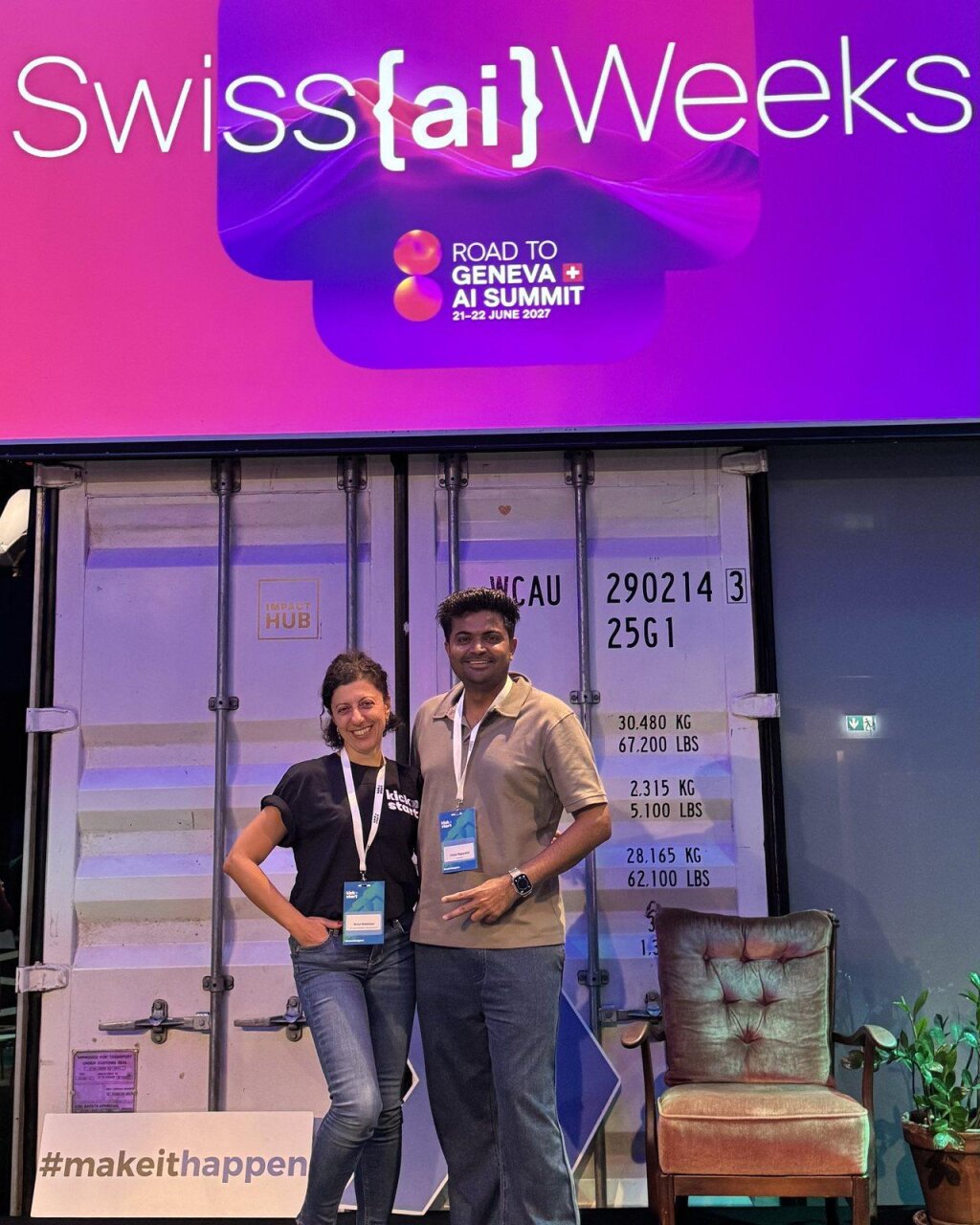
A week of AI, hackathons, people, conversations, mentoring, volunteering and a lot of unexpected memories.
Sometimes you attend an event. And sometimes you become part of it.
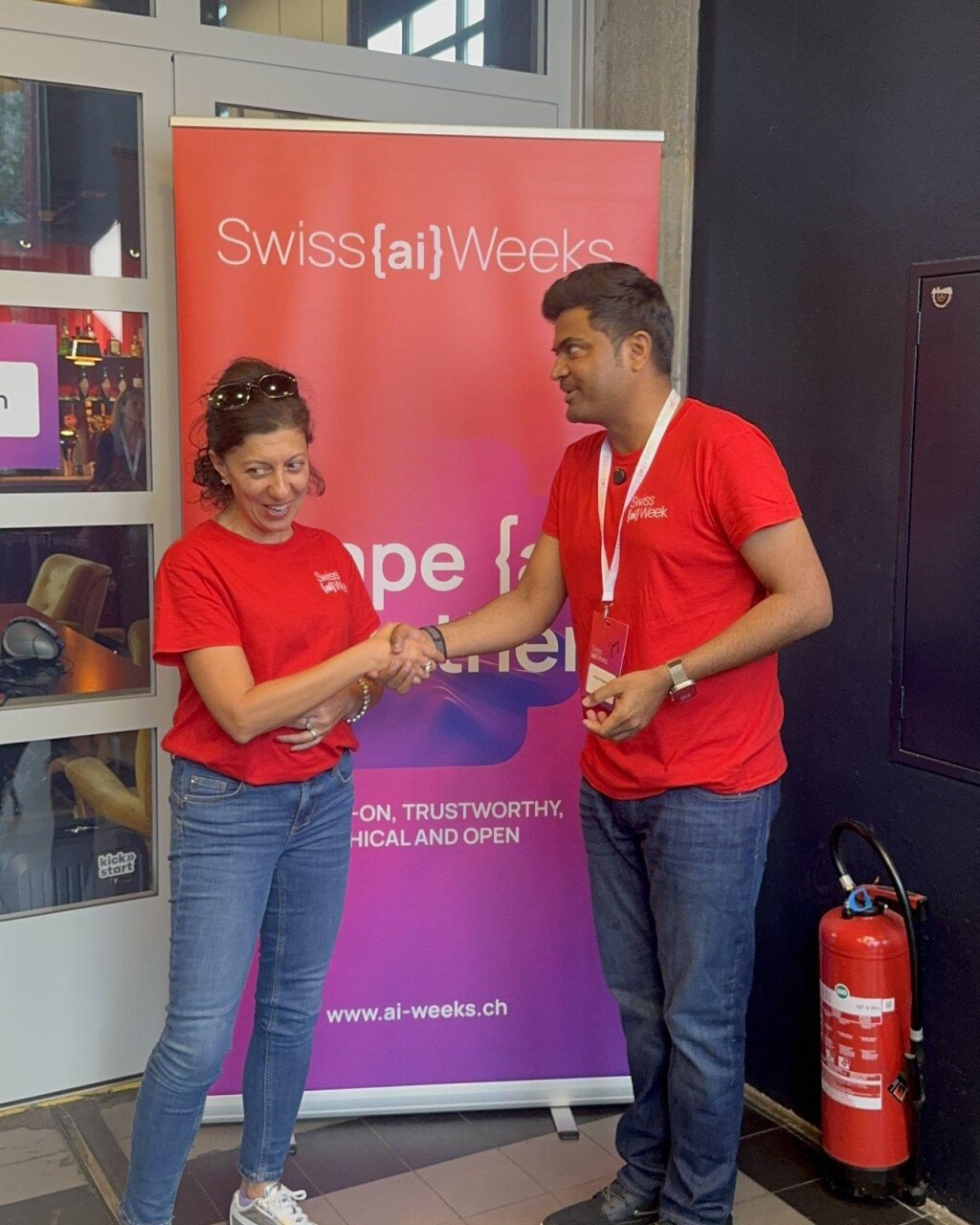
My journey with Swiss {ai} Weeks 2026 started with a conversation around LaraCopilot. What followed was much bigger than I expected.
Over the past couple of weeks, I experienced Swiss {ai} Weeks from almost every possible angle.
I joined Forward Days, attended the Executive Dinner, helped with the LaraCopilot partnership, volunteered during the hackathon setup, interviewed participants, recorded conversations and podcasts, mentored teams, and finally joined the Expert Jury for the Zurich Hackathon.
Looking back, that combination is what made the experience so special.
It started with Forward Days
My first real Swiss {ai} Weeks experience was at Kraftwerk Zürich during Forward Days.
The atmosphere immediately felt different. There were founders, developers, investors, corporates, researchers and people simply curious about what is happening in AI.
But what I liked most was that the conversations were not only about AI as a technology. They were about what we can actually build with it. How we use it responsibly. How we make it useful. And how we bring more people into the conversation.
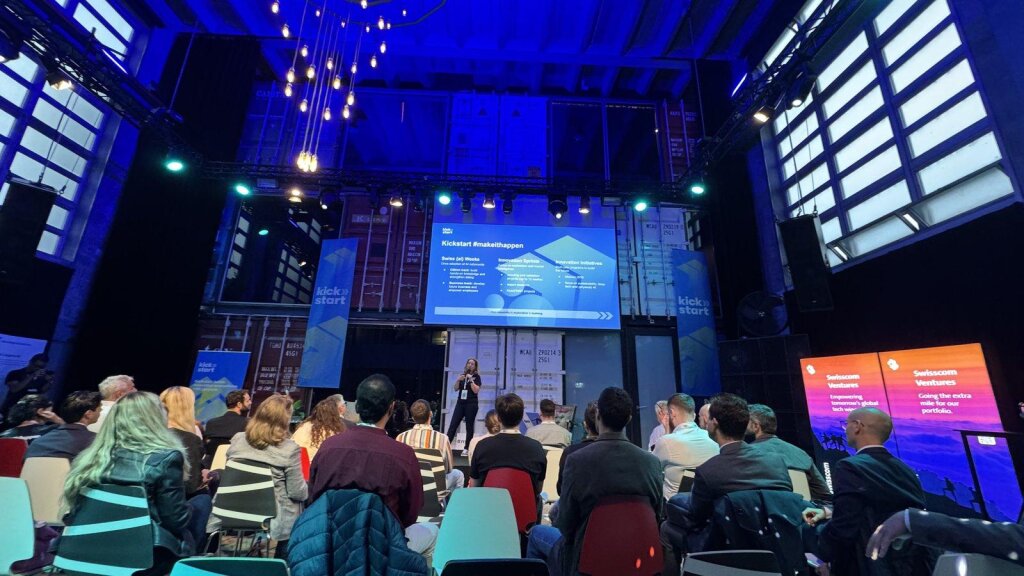
It was also the first opportunity to meet some of the people I had already been speaking with online. And that is always one of my favourite parts of events: turning a LinkedIn conversation into a real conversation.
From Forward Days to the Executive Dinner
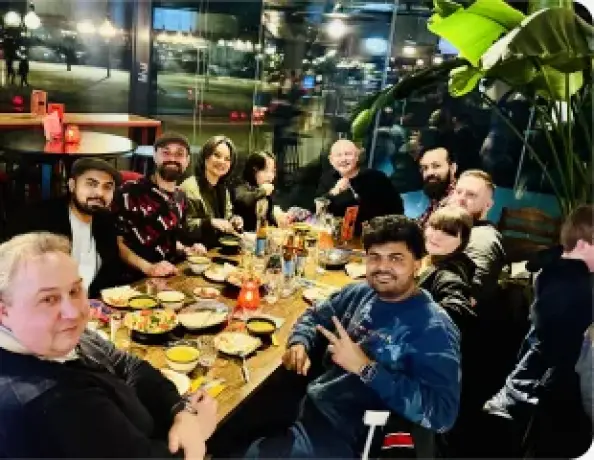
The next day brought another completely different experience: the Executive Dinner Zurich at Kraftwerk.
I was at Table 7, surrounded by people from different parts of the technology and innovation ecosystem.
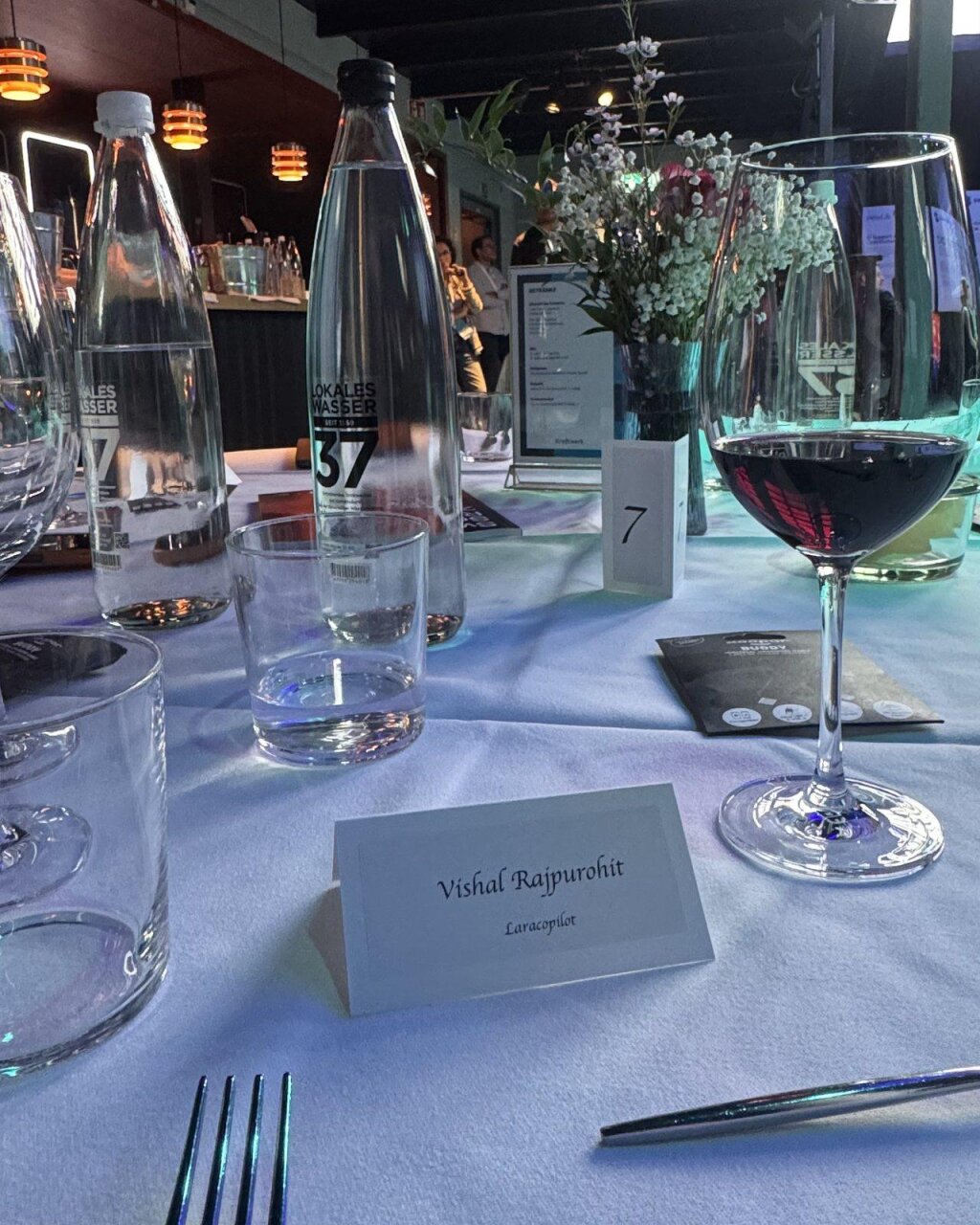
The format was simple. Good food, good people and honest conversations. No presentations to sit through. No formal networking. Just people talking about technology, business, AI, products and what comes next.
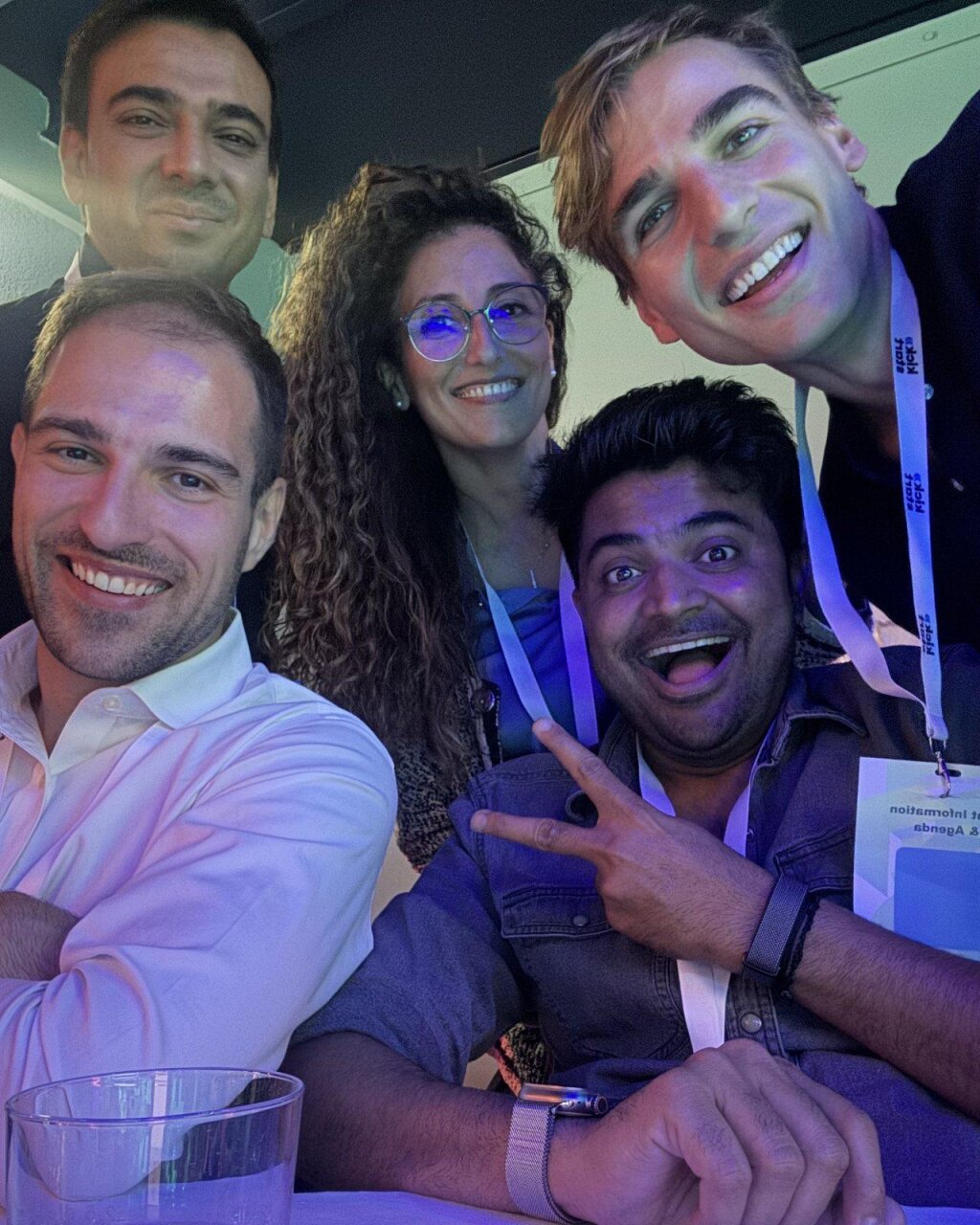
Some of the best connections from an event often happen around a table rather than on a stage. This was definitely one of those evenings.
Then LaraCopilot became part of the story
While I was attending the events, another important part of the journey was happening behind the scenes. LaraCopilot became a partner for the Zurich Hackathon.
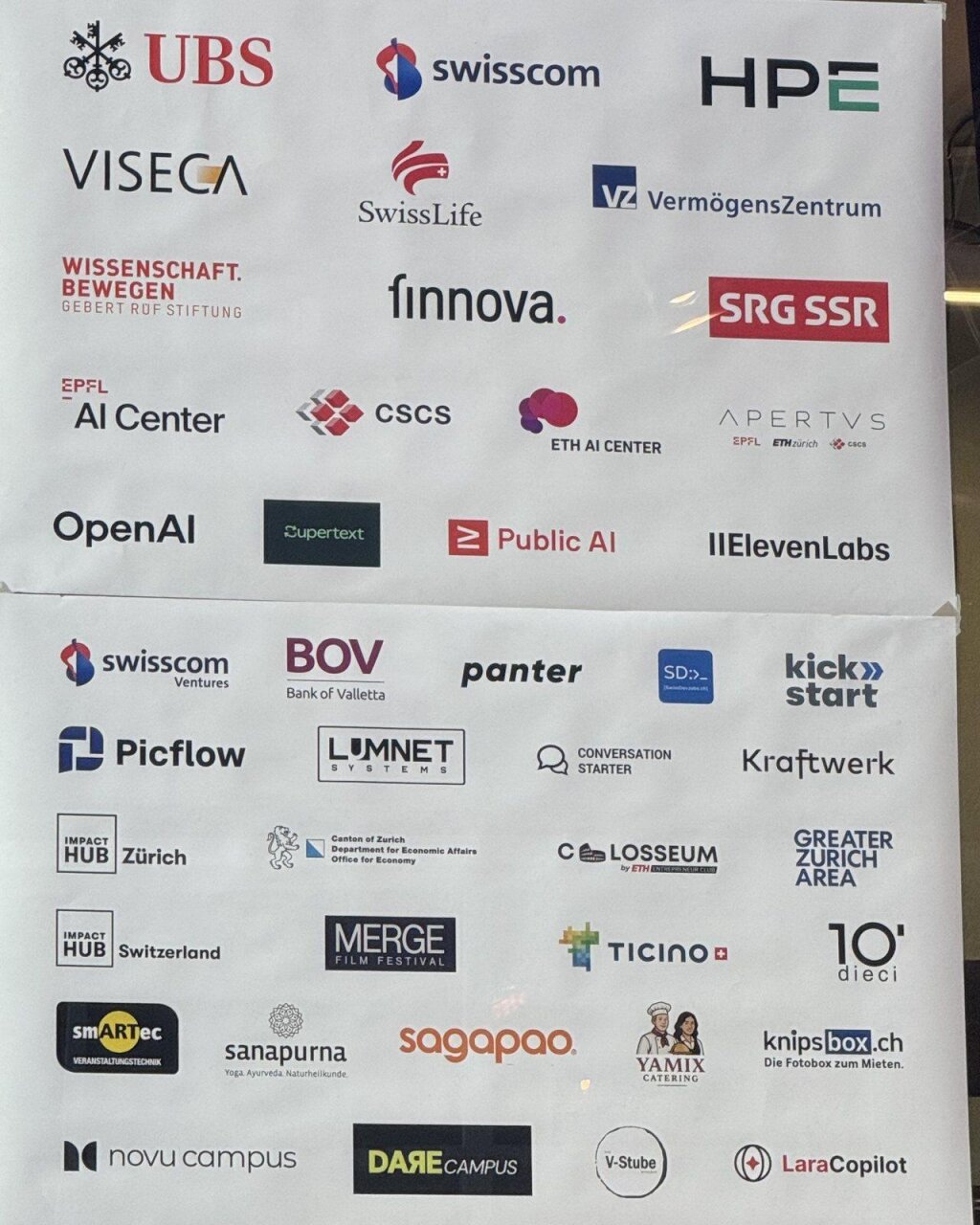
The goal was to give participants another practical tool they could use during the hackathon to move from an idea towards a working prototype.
But making a product available is only one part of the job. We worked with the Swiss {ai} Weeks and Kickstart teams to make sure participants had the right information, documentation and guidance to actually use LaraCopilot during the event. Our team also prepared a dedicated guide for the hackers.
That part was particularly important to me. I didn't want LaraCopilot to simply have a logo somewhere saying "available here." I wanted people to actually understand how they could use it.
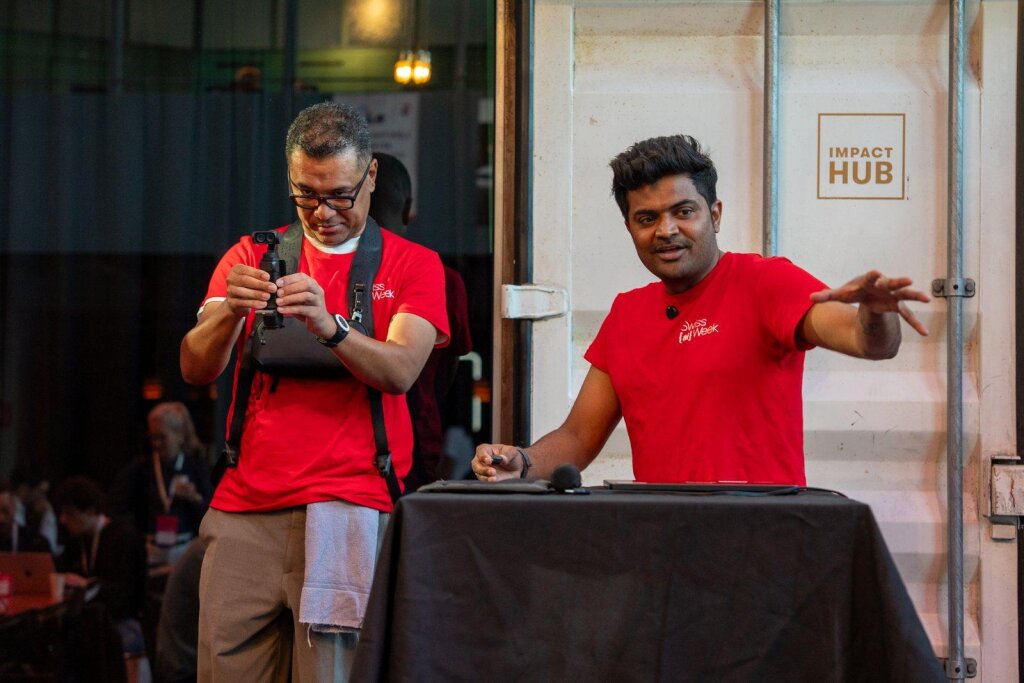
And then came the real test. Watching people use it.
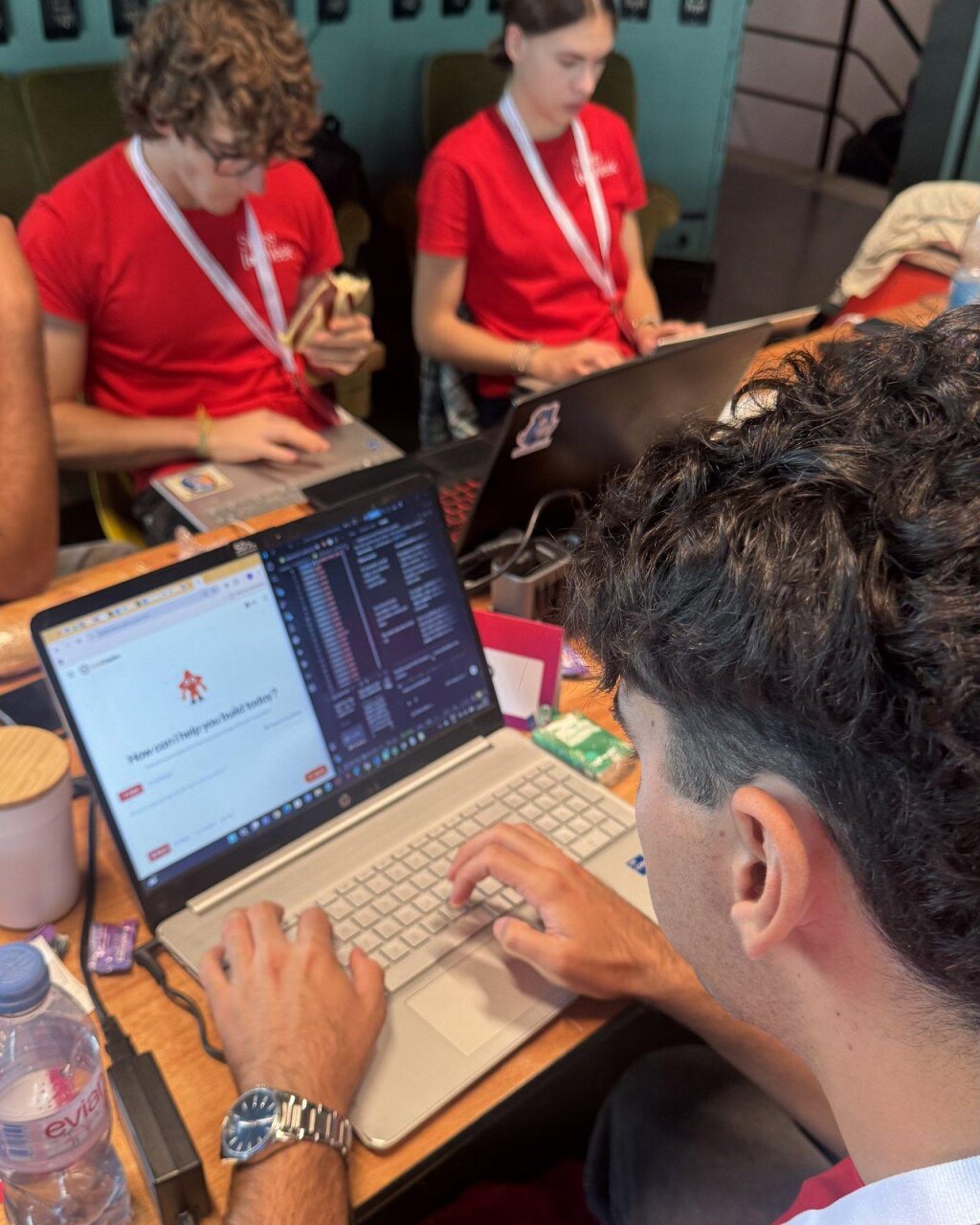
Zurich Hackathon: 36 hours of building
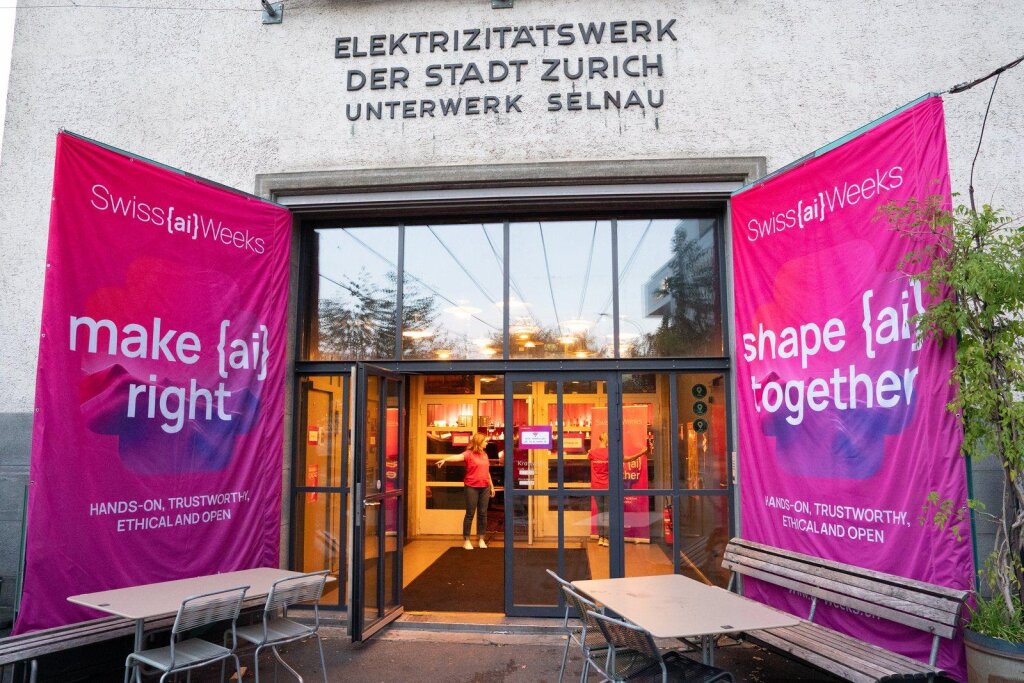
The Zurich Hackathon brought teams together around real-world AI challenges.
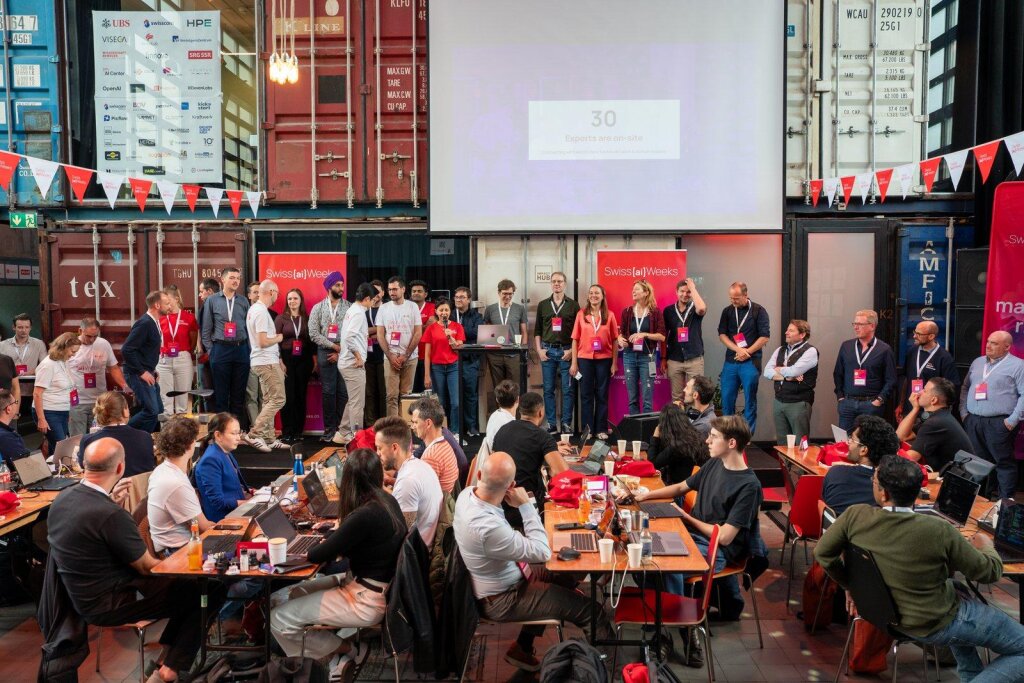
The official challenge list included:
Agent on a Leash by Viseca
AI Support Agent for Operational Service Desks by Swiss Life
Build a Public AI Service by Public AI
Digital Legacy AI by VZ VermögensZentrum
Fighting Identity Fraud in the Age of AI by Swisscom
Swiss Grounding MCP by Swisscom
Transaction Activity Forecasting by UBS
Seven very different problems. One common theme: how do we turn AI into something useful in the real world?
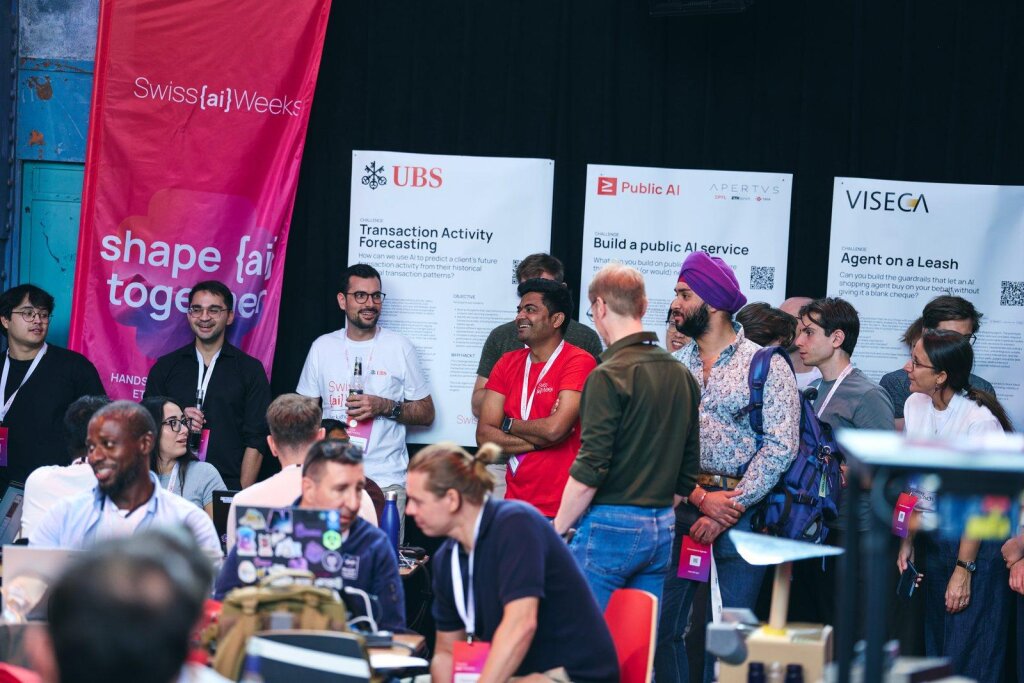
Before the hacking started
One of the things I enjoyed most was being involved in the preparation.
Before the teams arrived, there was a lot happening behind the scenes. Setting up. Checking things. Helping people. Getting information ready. Making sure the different pieces were in place.
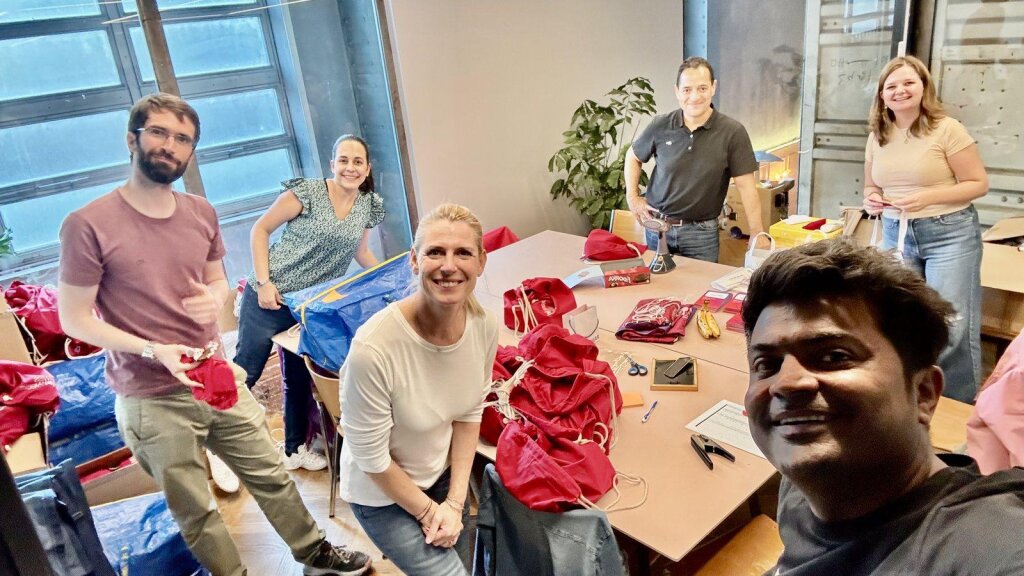
I've organised enough technology events over the years to know that the audience normally sees only the final few hours. They don't see the people running around before everything starts. This time, I got to be on the other side too.
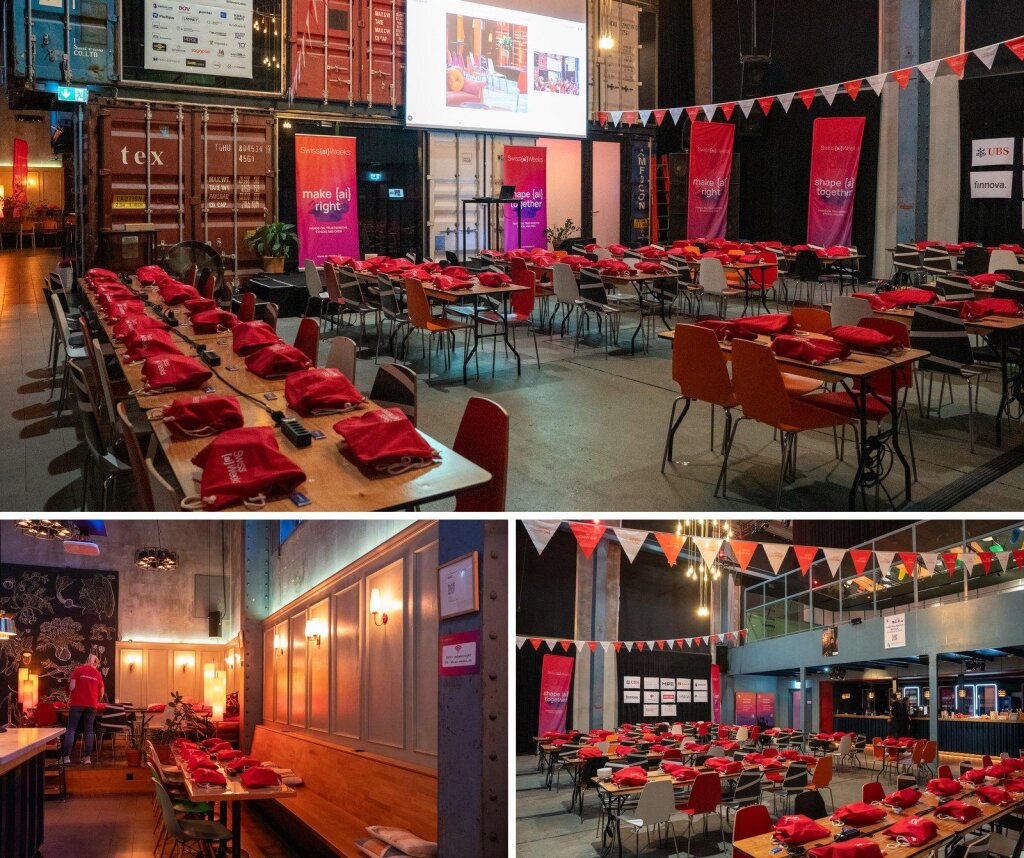
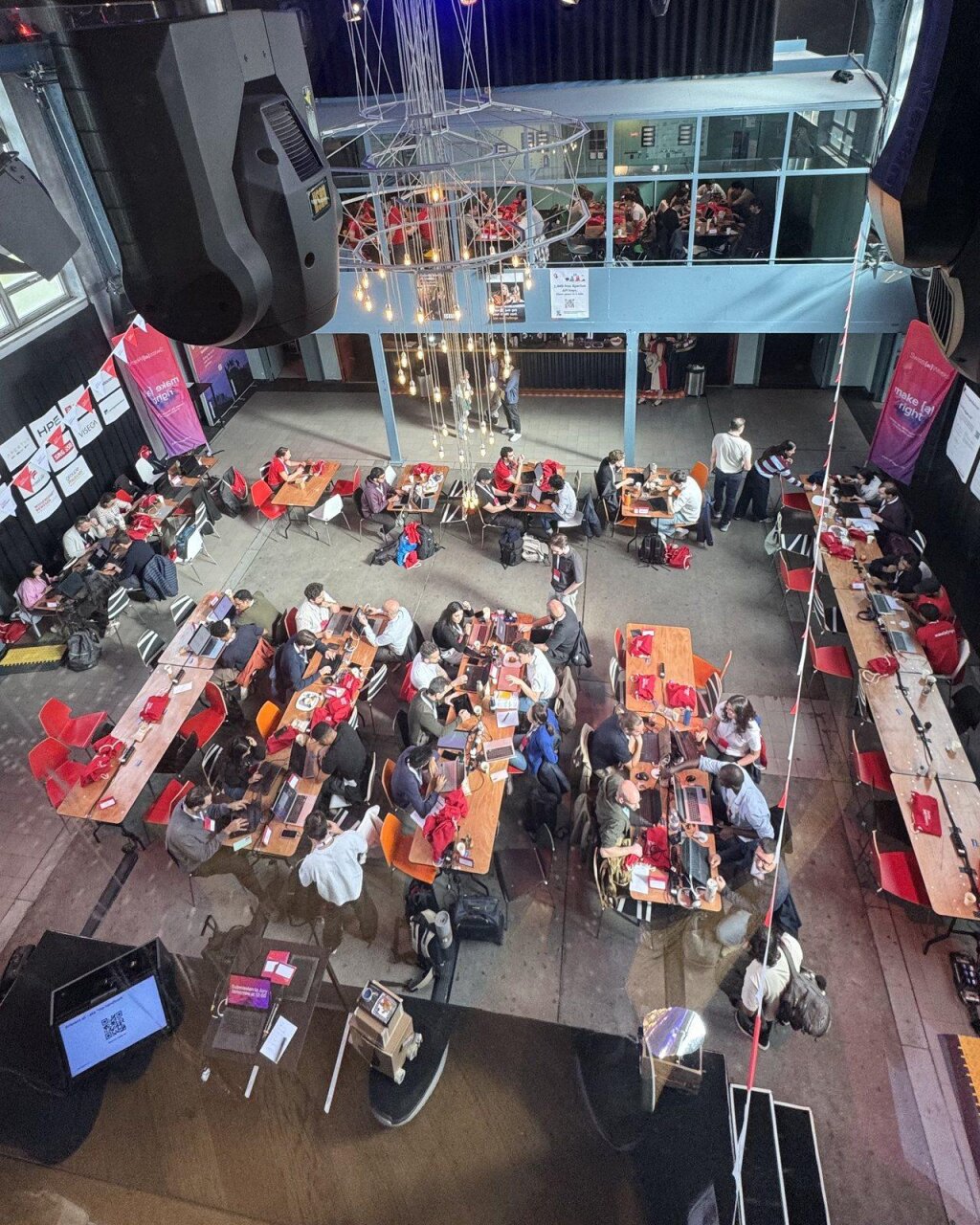
And then the hackers arrived. The energy changed immediately.
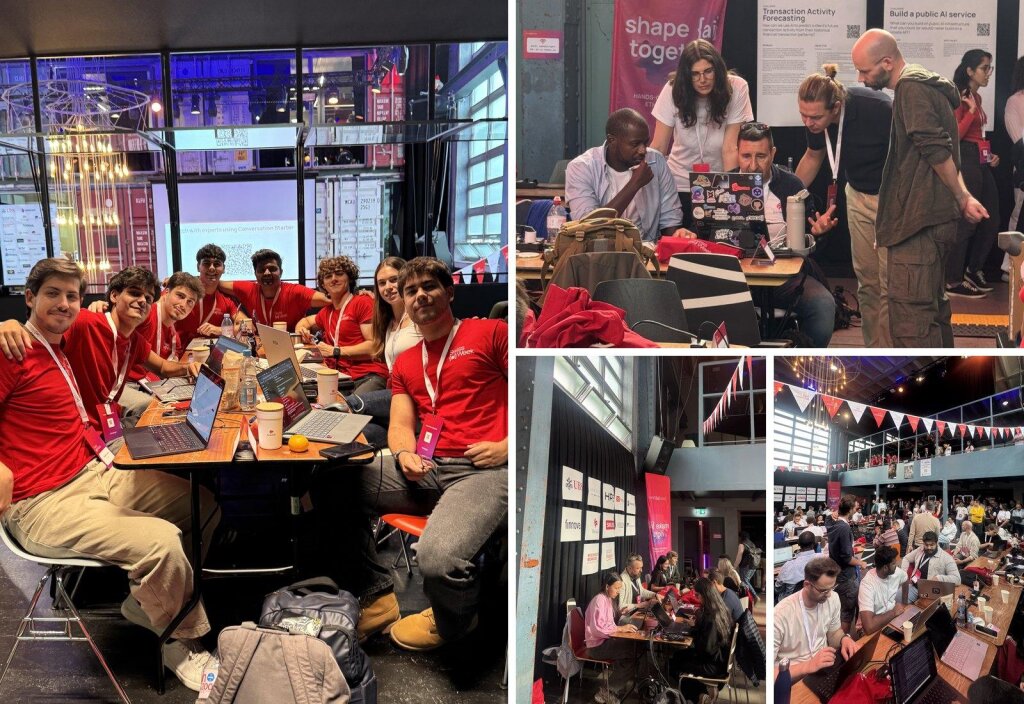
My role as an Expert Jury
I was invited to be part of the Expert Jury for the Zurich Hackathon. This was one of the most interesting roles I've taken at an event.
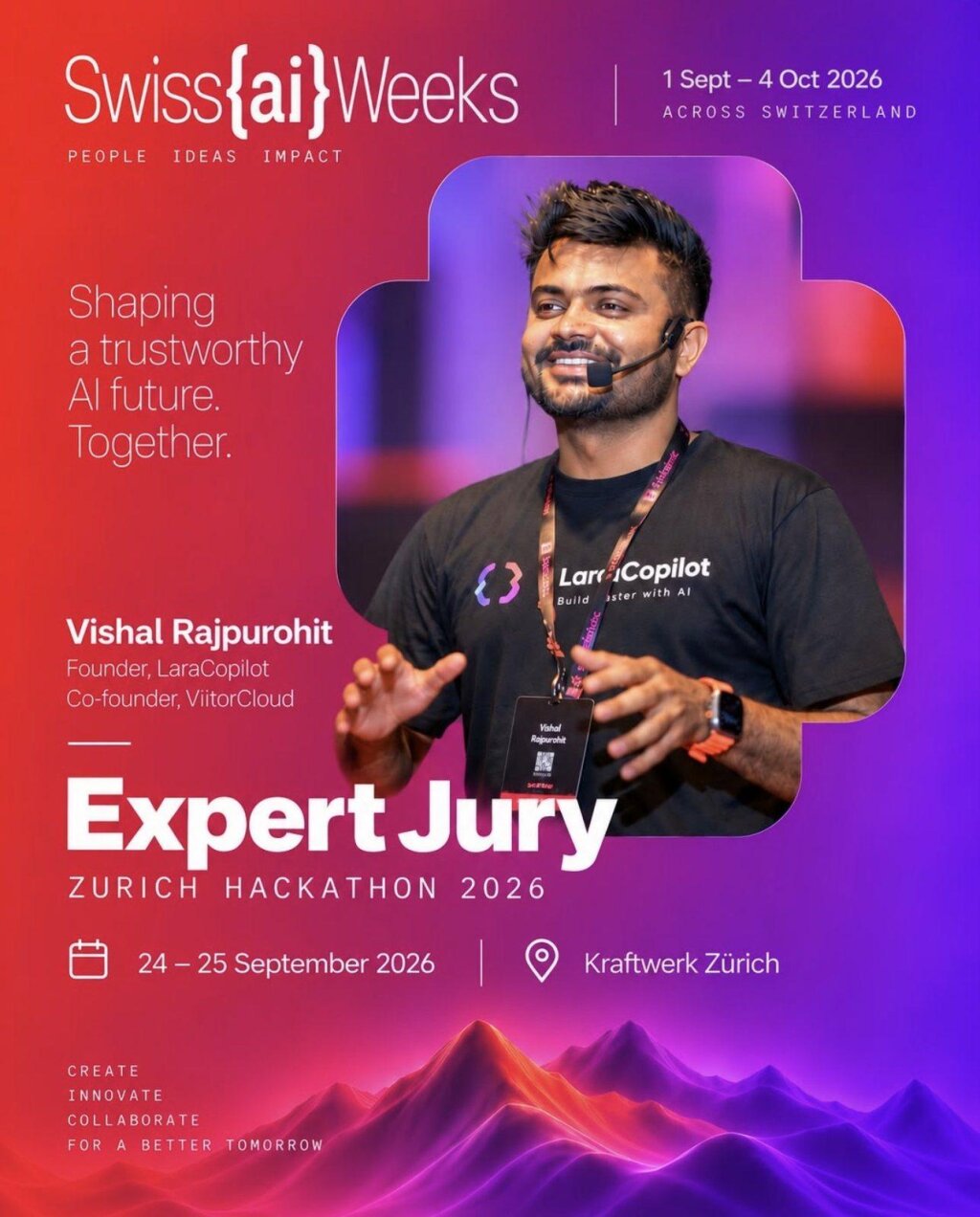
The jury process was split into two stages. The Expert Jury worked in closed rooms and helped shortlist the teams. The Main Jury later evaluated the selected teams on the main stage and selected the winners.
That meant my role wasn't simply to sit at the end and decide who had the best presentation. I got to interact with teams while they were building. I could ask questions. Challenge assumptions. Understand their architecture. Discuss their AI approach. Talk about users. Talk about go-to-market.
And sometimes simply ask: "Show me."
The questions I kept asking
I didn't want every conversation to become a technical interview. Of course, I wanted to understand the technology. But I also wanted to understand whether the teams really understood the problem they were solving.
So my questions were usually a mixture of technical, product and practical questions. For example:
What is the AI actually doing?
Which part is AI and which part is traditional programming?
What happens when the AI gets it wrong?
What happens when the AI is uncertain?
How are you protecting the system?
Who is actually going to use this?
What happens after the hackathon?
And sometimes the simplest question created the best conversation: "Show me how it works."
Agent on a Leash
One of the challenges that generated some particularly interesting discussions was Agent on a Leash. The idea was around giving an AI shopping agent enough freedom to act while still keeping the user in control.
That immediately brings up questions around trust. What happens if the AI finds a suspicious merchant? What if the price changes? What if the product page contains malicious instructions? What if the AI misunderstands the user's intent?
And the question I really liked asking: "Show me where the leash is."
Because every AI agent needs boundaries. It's not only about what the agent can do. It's about what the agent cannot do.
Fighting Identity Fraud in the Age of AI
Another fascinating area was identity fraud. Deepfakes. Fake documents. Voice cloning. Presentation attacks. AI-generated identities.
The technology available to attackers is improving quickly, so the teams were thinking about how verification systems can keep up.
I also found myself asking questions around multilingual scenarios. Would the system work equally well across German, French, Italian and English? What happens with different accents? What happens when someone switches languages?
And perhaps the most important question: how do you increase security without making the experience terrible for legitimate users? That's the balance that makes this problem so interesting.
Swiss Grounding MCP
The Swiss Grounding MCP challenge was another one I particularly enjoyed discussing. The problem sounds simple: ask an AI a question about Switzerland and get the right answer from the right source.
But Switzerland has federal, cantonal and municipal information, multiple languages, different authorities and information spread across websites, APIs, datasets and documents. So the real question becomes: how does the AI know which source to trust?
I asked teams questions like: "Give me a Swiss question where a normal AI could easily give the wrong answer." Then: "Show me how your system fixes it."
That is where a technical concept becomes a real product conversation.
Transaction Activity Forecasting
The UBS challenge looked at predicting future transaction activity based on historical transaction patterns.
Again, I didn't want to stop at "Which model are you using?" I wanted teams to show the reasoning. How do you know something is recurring? How do you distinguish a recurring payment from a one-time transaction? What happens when someone's spending behaviour suddenly changes?
And one of my favourite questions: "Show me one prediction and walk me through exactly why your model made it."
That question tells you a lot about how transparent and understandable a model really is.
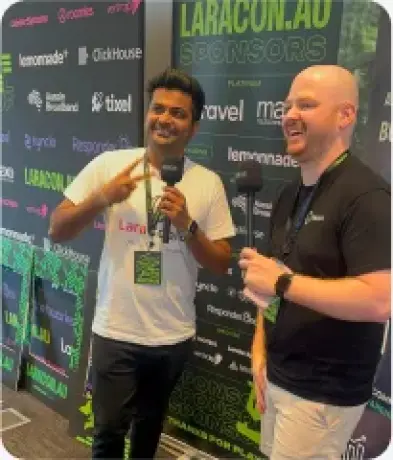
I also became the interviewer
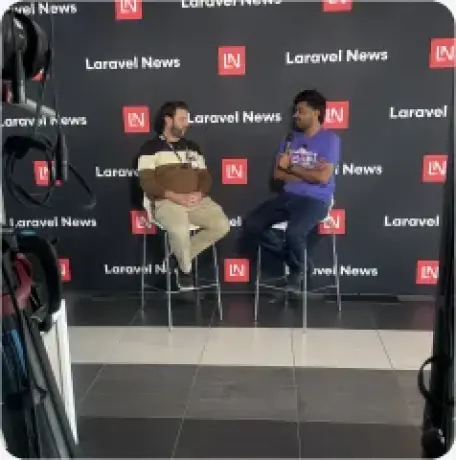
Being an Expert Jury member was only one part of my experience. At some point, I also started interviewing participants. And honestly, I loved it.
I enjoy asking people questions. Especially questions they haven't prepared for. So we mixed AI and technology questions with completely random rapid-fire questions:
AI coding or coding from scratch?
Coffee or tea?
iPhone or Android?
Mountains or beach?
What's one AI tool you can't live without?
What's the most overhyped technology?
What would you build with $1 million?
Sometimes the answers were technical. Sometimes funny. Sometimes surprisingly thoughtful. But every answer gave me another little glimpse into the person behind the project.
And then came the podcasts
I also had the opportunity to have longer conversations and podcast-style discussions with people during the event.
This is something I really enjoy because a five-minute networking conversation can tell you what someone does. A longer conversation can tell you why they do it.
Why they started. What they're building. What they're struggling with. What they believe. What they think AI will change. And sometimes what they still don't know.
Those are the conversations I want to remember.
From mentoring to the jury room
As the hackathon progressed, my role shifted again. I moved between conversations with teams, mentoring discussions and the jury process.
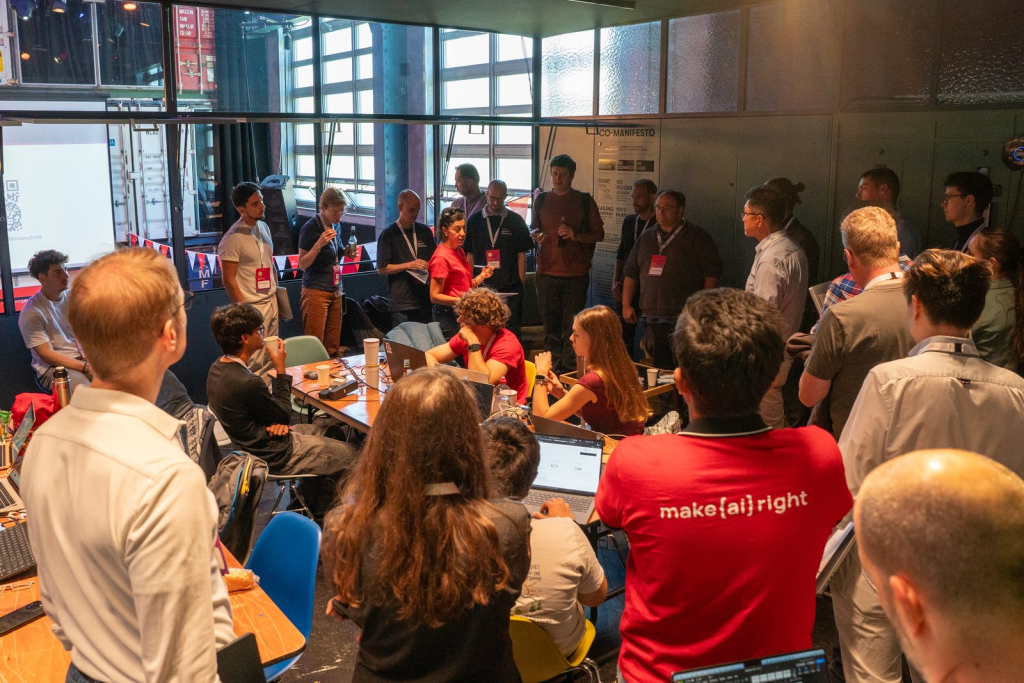
The jury criteria were deliberately broader than simply asking whether the technology worked. The five areas were:
Technical Functionality and AI
User Experience
Agentic Depth
Uniqueness / Creativity / Fun Factor
Potential / Market Impact
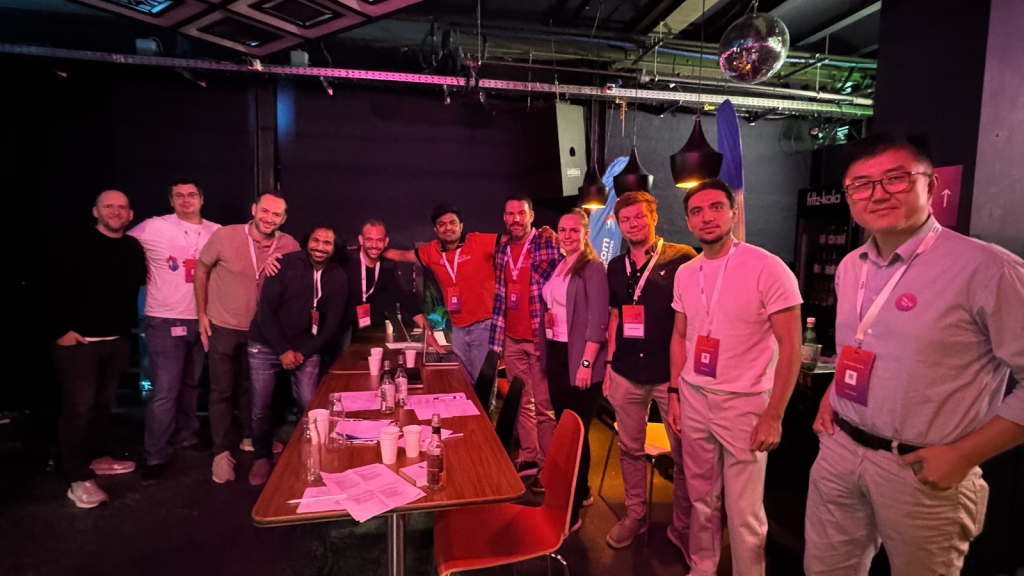
I liked this structure because it reflects something I have learned from building products myself. A great technical demo is not automatically a great product.
You need technology. You need usability. You need something differentiated. And eventually, you need someone to care enough to use it.
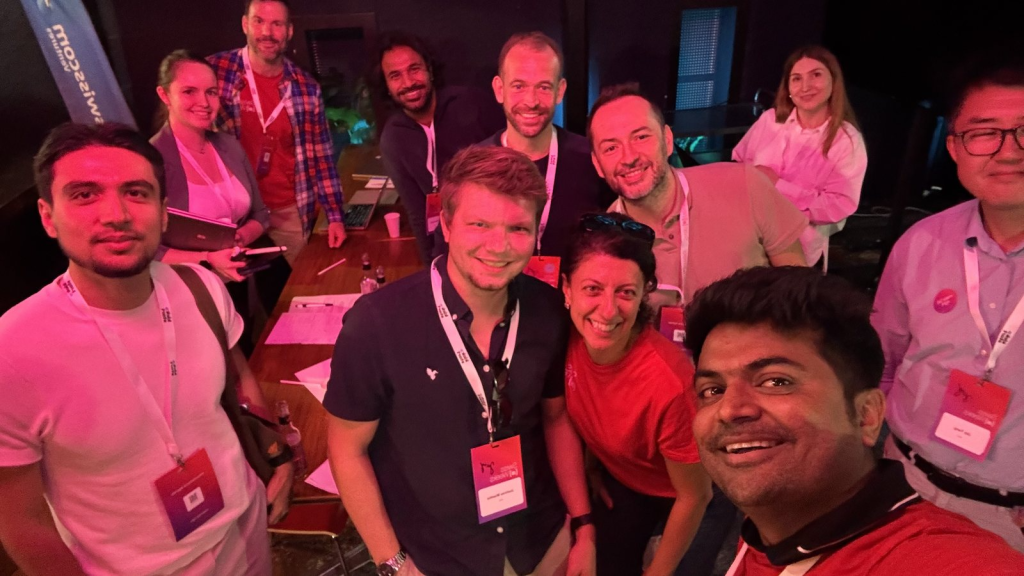
The final pitches
After all the building, testing, debugging, conversations and probably a lot of coffee, the teams finally reached the main stage. The energy was completely different.
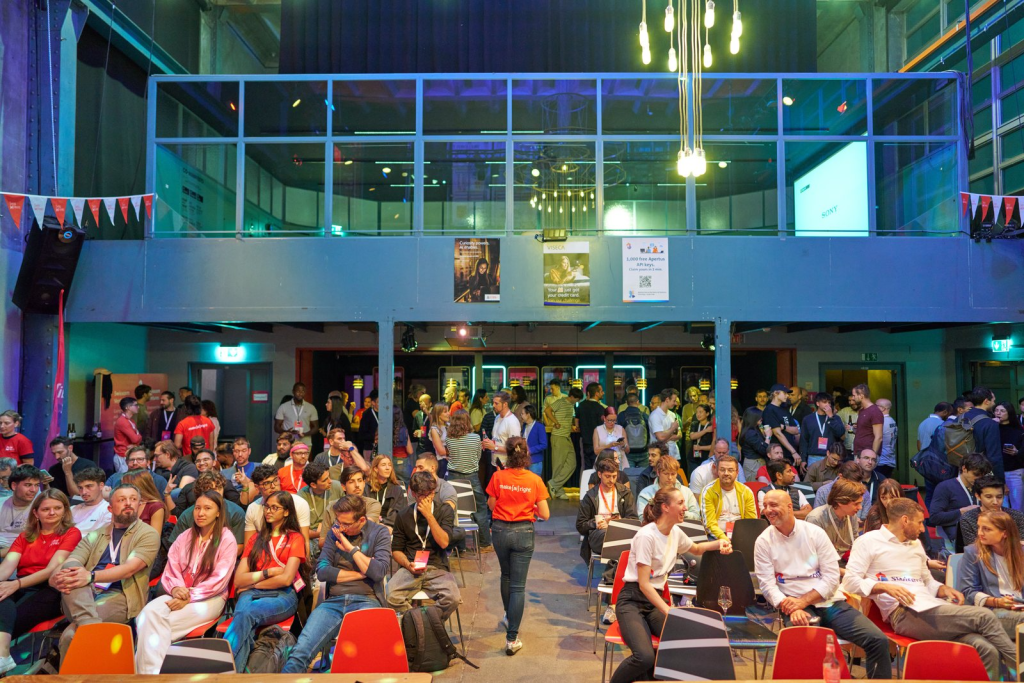
At the beginning of the hackathon, they had ideas. Now they had something to show. Some teams had working prototypes. Some had ambitious concepts. Some had changed direction completely.
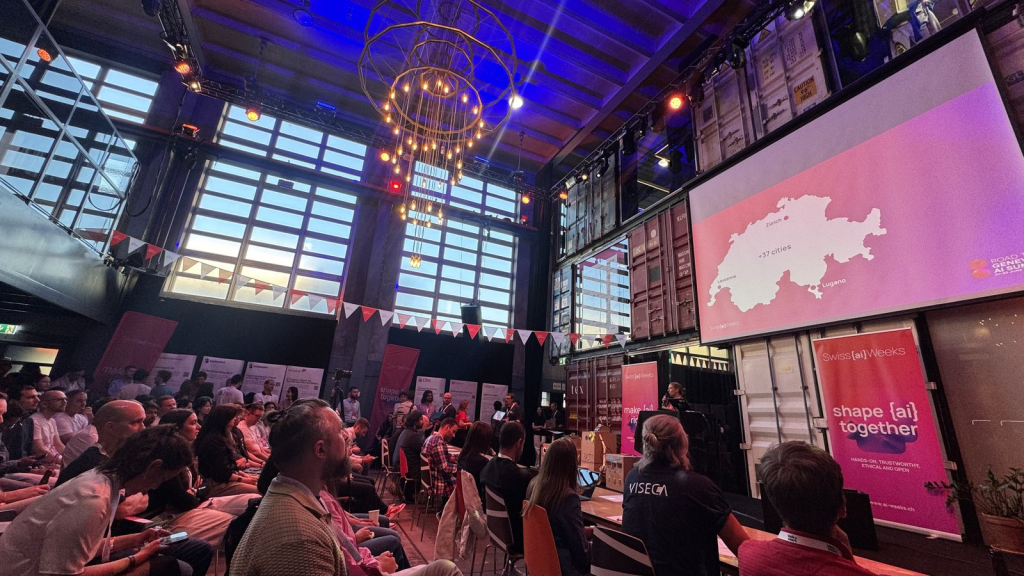
And that is what I love about hackathons. You start with an idea. Then reality starts testing it.
The final jury process moved from the Expert Jury rooms to the main stage, where the shortlisted teams pitched before the award ceremony.
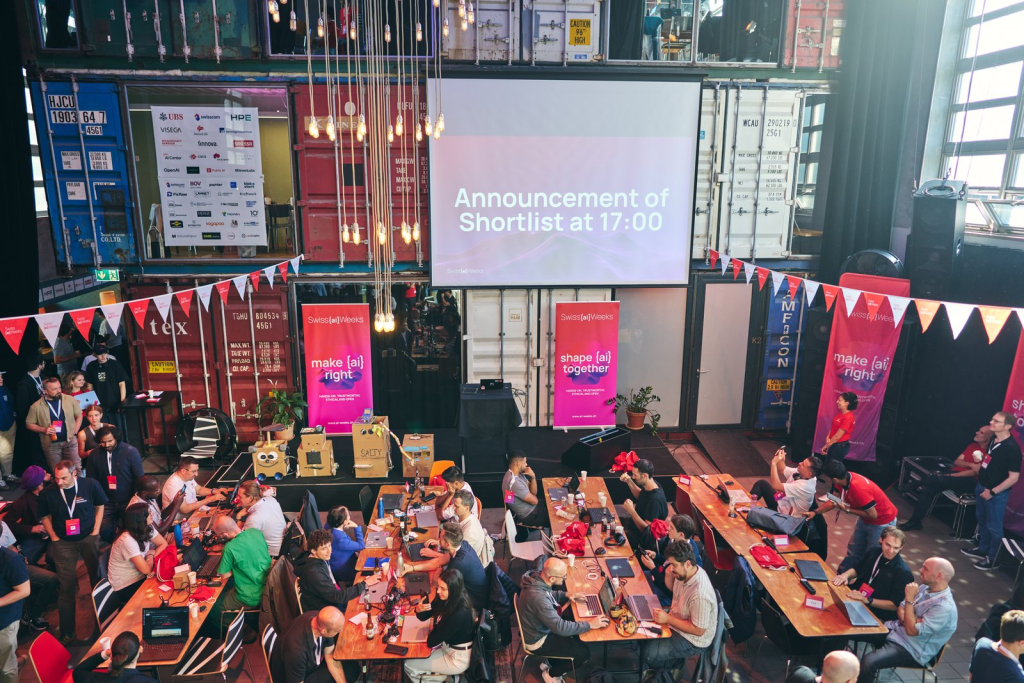
The award ceremony
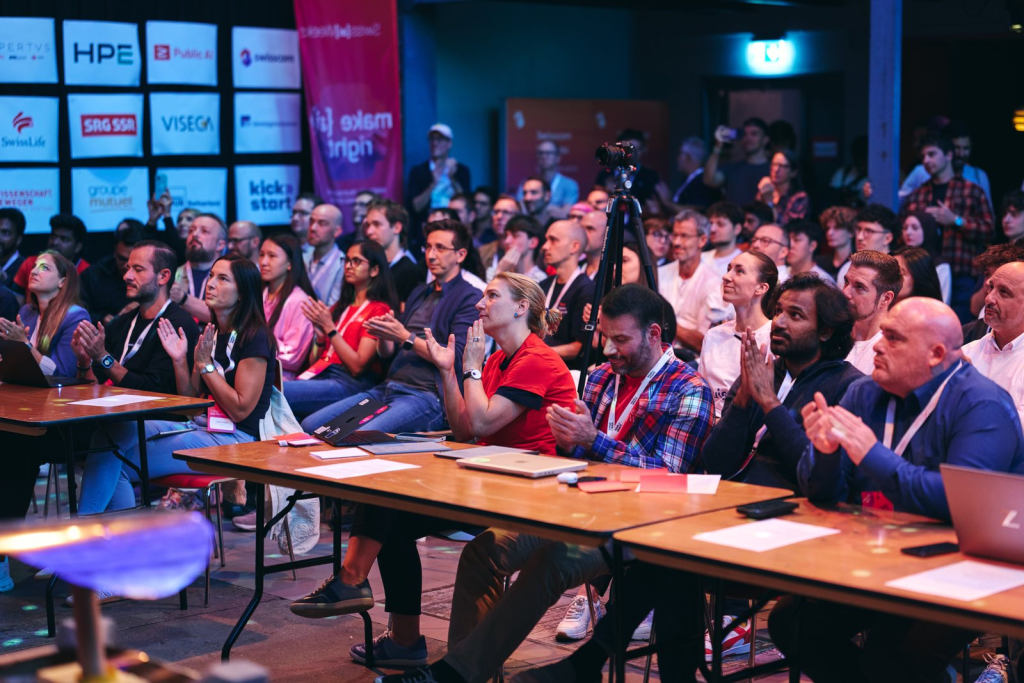
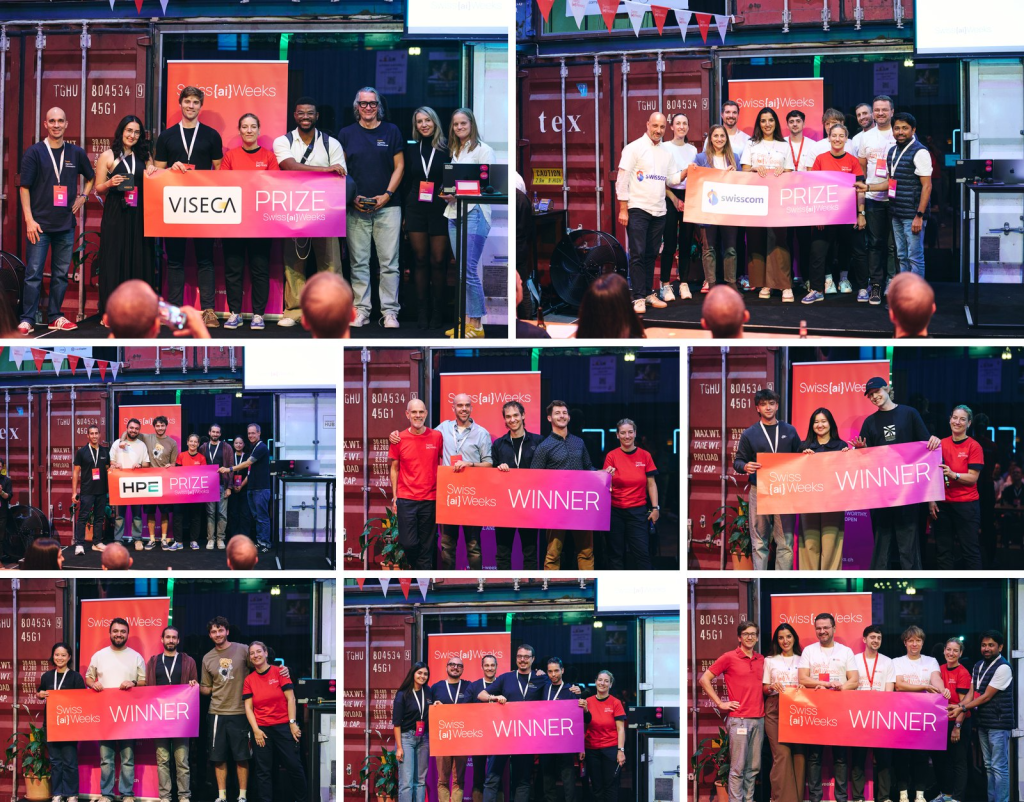
The evening closed with the Swiss {ai} Weeks winners and the partner prizes from Viseca, Swisscom and HPE.
The people behind my journey
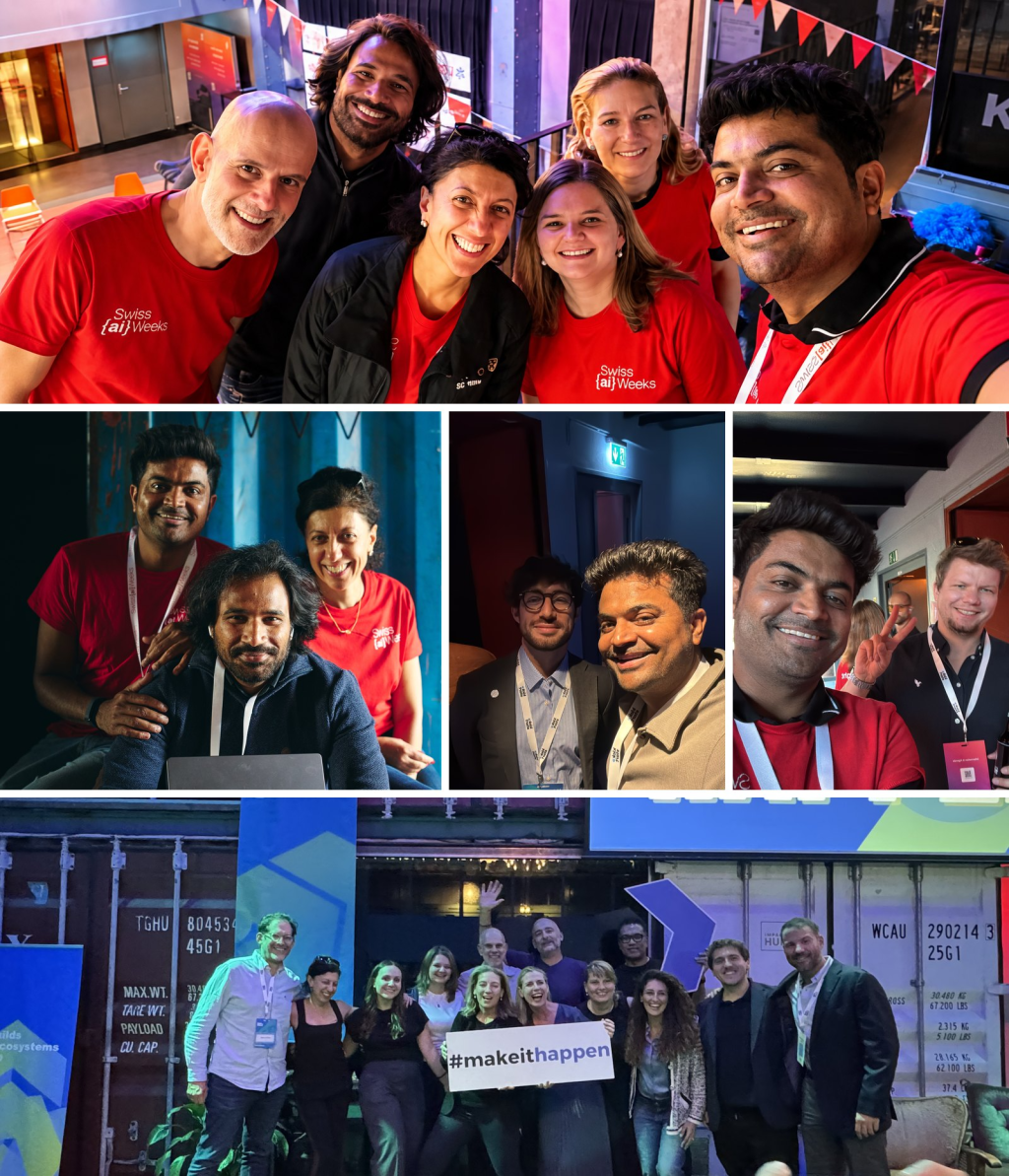
Looking back at the experience, there are four people I especially want to thank.
Anna
Anna was one of the first people who made the introduction smooth and comfortable. She helped bring me into the Swiss {ai} Weeks ecosystem and played an important role in making the LaraCopilot partnership happen.
Thank you for the trust and for making the entire experience feel natural from the beginning.
Jürg
Jürg was instrumental in making the LaraCopilot onboarding seamless. There were many details to coordinate, and he was constantly there to help move things forward.
Thank you for all the support behind the scenes.
Katka
Katka brings energy. A lot of it. She created the momentum and velocity behind this entire initiative and brought so many different people and communities together.
You could feel that energy throughout the event.
Aditya
And a very special thank you to Aditya. Because of him, I got the opportunity to be part of this journey in the first place.
Sometimes one introduction opens a door you didn't know was there. This was one of those moments for me.
What I am taking away
After experiencing Swiss {ai} Weeks through so many different roles, a few things stand out to me.
AI is moving from demos to real problems
The challenges weren't abstract AI experiments. They were problems around fraud, banking, service desks, digital legacy, public infrastructure, shopping agents and Swiss information. That changes the conversation.
AI needs boundaries
The more capable AI becomes, the more important the boundaries become. What can an agent do? What can't it do? When should a human intervene? What happens when the model is wrong?
These questions are becoming just as important as the model itself.
Product thinking matters
A hackathon gives you limited time. That makes it very easy to focus on getting something to work.
But the best conversations I had were around what happens next. Who uses it? Why would they use it? Can it scale? Can it become a real product?
People are still the biggest part of technology
This may actually be my biggest takeaway. I came to Switzerland expecting to spend time around AI. I left thinking much more about people.
The founders. The hackers. The mentors. The organisers. The jury members. The volunteers. The people sitting around dinner tables. The people asking questions. The people building things.
More than an event
When I look back at the last couple of weeks, I don't really see one event. I see a collection of moments.
Forward Days. The Executive Dinner. Behind-the-scenes preparation. LaraCopilot becoming part of the hackathon. Meeting founders. Interviewing hackers. Recording podcasts. Mentoring teams. Asking questions. Sitting in the jury room. Watching people build. Seeing LaraCopilot being used. Watching the final pitches.
And making connections that I hope continue long after everyone has left Kraftwerk.
That is what made Swiss {ai} Weeks special for me. I wasn't there just as a participant. I got to be a partner, volunteer, interviewer, mentor, Expert Jury member and product builder. And I enjoyed every single one of those roles.
Maybe that's the real idea behind Swiss {ai} Weeks. Bring people together. Build something. Share what you know. Learn from each other. And keep the conversation going.
Thank you to everyone who made these two weeks memorable.
Zürich, I'll be back. 🇨🇭
Written by
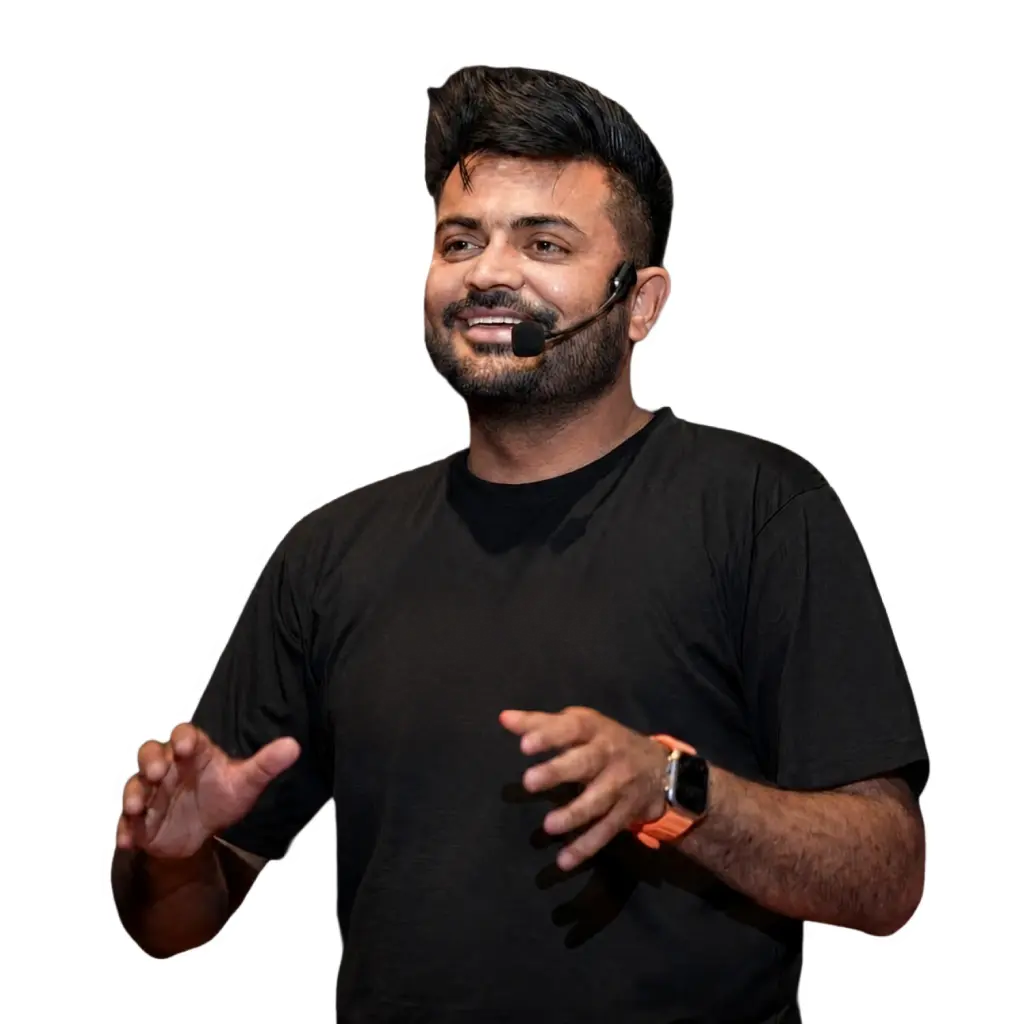
Co-founder & CTO of ViitorCloud · Founder of LaraCopilot · Organizer of Laracon India · Shipping production software since 2005
More about Vishal